
ITD27 Keynote Speakers & Panels

View keynote speakers and biographies.
Over the three full days of activity, the ITD27 Conference will explore the role of inter- and transdisciplinarity in enabling transformative change. It will also examine the changes needed in research, education, and training systems to nurture and support inter- and transdisciplinary approaches.
The conference therefore focuses not only on the contribution of inter- and transdisciplinarity to societal transformations, but also on the institutional, cultural, and structural shifts required for these and other collaborative and engaged forms of knowledge production to flourish.
For each day of the conference, we have invited a group of internationally recognised experts to help frame the discussion and stimulate reflection around three springboard questions:
- What is transformative transdisciplinarity?
- Who develops collaborative knowledge production/use, and how?
- How are we preparing the next generation?
On top of all the parallel sessions, each morning will begin with a plenary session featuring two keynote speakers. Each afternoon will include a plenary roundtable discussion with 3-4 panellists. Opening events and pre-conference activities will be held on Monday, 31 May 2027. Closing events and activities will be held on Friday, 4 June 2027.
What is transformative transdisciplinarity?
Plenary sessions on Tuesday, 1 June will focus on exploring how transdisciplinarity (TD) and transformative change interconnect and what this means in practice.
Keynote speakers

David Ludwig
Knowledge Technology and Innovation, Wageningen University & Research, The Netherlands
David Ludwig is a philosopher and transdisciplinary researcher focused on questions of social-environmental change and justice. He is interested in scientific methods that challenge “business-as-usual” in academia and that open transformative pathways beyond mainstream sustainability science. He is also the Principal Investigator of the Global Epistemologies and Ontologies (GEOS) project in the Knowledge, Technology, and Innovation (KTI) Group of Wageningen University and Research (WUR). GEOS investigates foundational—epistemological, ontological, and political—questions of inclusive and participatory research that brings together science and local communities in co-producing change. His recent books include: Transformative Transdisciplinarity. An Introduction to Community-Based Philosophy, 2025, Oxford University Press. Global Epistemologies and Philosophies of Science, 2021, Routledge. The Politics of Knowledge in Inclusive Development and Innovation, 2021, Routledge.

Harini Nagendra
School of Climate Change and Sustainability, Azim Premji University, India
Harini Nagendra is Director of the School of Climate Change and Sustainability at Azim Premji University. Her research over three decades spans forest conservation and urban sustainability, with influential contributions in both fields. She has illuminated how human-dominated landscapes in South Asia shape forest ecosystems and highlighted the importance of urban ecosystems for human well-being, particularly for marginalised communities in the Global South. For her work on reconnecting people and nature in cities to foster sustainability and resilience, she received an honorary doctorate from Utrecht University in 2025. She is a Senior Research Fellow at the Ostrom Workshop, an Honorary Fellow at the Institute of Global Sustainable Development, and a former Lead Author for the Intergovernmental Panel on Climate Change AR5. She has published over 200 academic papers, four popular science books, and writes the Bangalore Detectives Club historical mystery series set in 1920s Bangalore.
Panel
The panel will explore the current state of institutional support for transdisciplinary research (ITD), examining how funding mechanisms enable or constrain ITD, how institutional efforts and support structures are evaluated, and how the contribution of ITD to transformative change can be assessed.
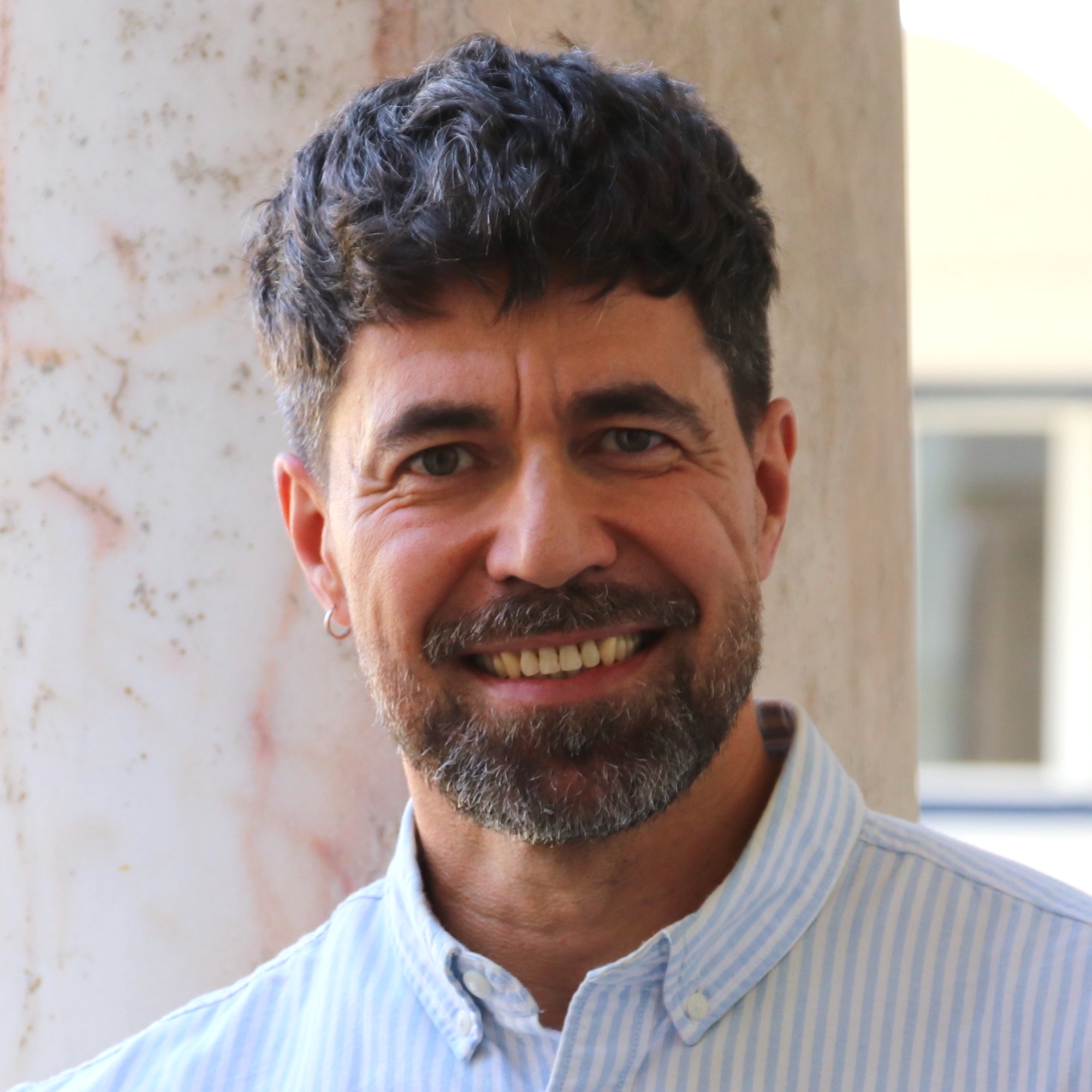
_ARTERIA_LAB, University of Évora
Portugal
Biography
Leonel Alegre holds a degree in Physics and Chemistry Teaching from the University of Évora and a PhD in Organometallic Chemistry from Instituto Superior Técnico. After a career in science communication and museum curation, he now researches at the University of Évora, coordinating _ARTERIA_LAB, leading transdisciplinary projects grounded in co-design and participatory processes, exploring community-territory and human-nature relations.
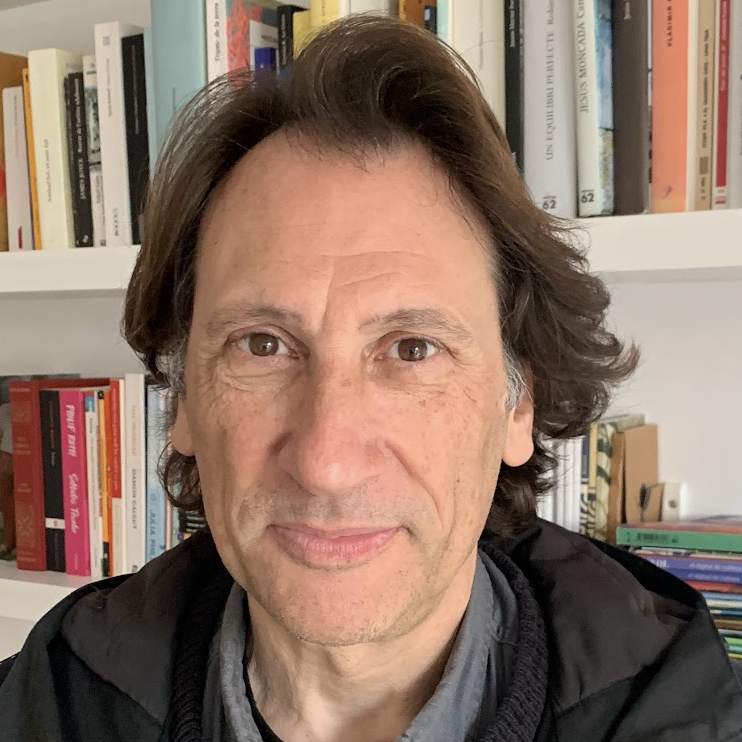
INGENIO, CSIC-UPV, Univ. Politec. València; UNESCO Chair on Diversity and Inclusion in Global Science, CWTS, Leiden University
Spain, Netherlands
Biography
Ismael Rafols is a senior researcher at INGENIO (CSIC-UPV, Univ. Politec. València) and at the UNESCO Chair on Diversity and Inclusion in Global Science at CWTS, Leiden University. He works on S&T evaluation, foresight and research strategies, with a focus on how more epistemic diversity and social inclusion may lead to more equitable distribution of the benefits of science. His recent studies focus on epistemic inequities in funding portfolios and research priority setting for societal challenges such as bird flu or obesity, and issues related to Sustainable Development Goals (SDGs), particularly in health and agriculture.
Ismael has been involved in policy initiatives ‘responsible metrics’, such as the the Leiden Manifesto or the EC Expert Group on Open Science Indicators, or discussions on biases against research topics from the Global South in assessment and databases. Previously, he had developed indicators and mapping methods for the evaluation of interdisciplinary research, e.g. in emergent fields such as bio and nanotechnology.
Ismael has also worked at the Science Policy Research Unit (SPRU) in University of Sussex (2005-12) and at the Centre for Science and Technology Studies (CWTS) in Leiden University (2020-24). Previously, he received an MSc in Science and Technology Policy from SPRU (Sussex), a BSc in Physics from the University of Barcelona, a PhD in biophysics from Tohoku University (Sendai, Japan) and was a postdoc in nanobiotechnology at Cornell University. In between academic positions, he has worked on international cooperation in Oxfam and the City Council of Barcelona. His publications are available in open in GoogleScholar and ORCID..
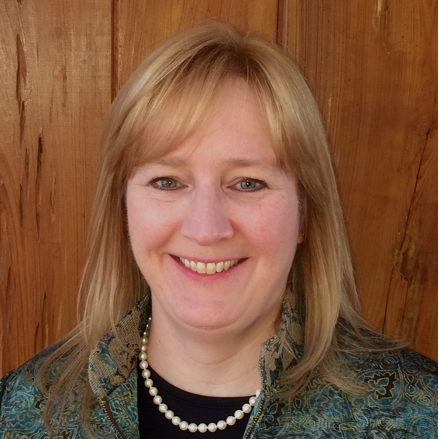
International Activities, Directorate for Geosciences, National Science Foundation
USA
Biography
Dr. Maria Uhle currently serves as the Program Director for International Activities in the Directorate for Geosciences at the National Science Foundation, where she develops mechanisms and agreements to foster international research collaboration for transdisciplinary research on global environmental change challenges. Since 2010 she has served in many international leadership roles. She was Co-Chair of the Belmont Forum, Co-Chair of the Governing Board of Future Earth and Chair of the Executive Council of the IAI and Chair of. She works with other US federal agencies through the US Global Change Research Program (USGCRP) where she served as Chair of the Subcommittee on Global Change Research and co-Chair of the International Activities, Interagency Working Group. Prior to NSF, she served as an International Affairs Officer in the Office of International and Academic Affairs (OIAA) at the National Institute of Standards and Technology (NIST), working in the Middle East, North Africa and South Asia. At the National Academy of Sciences, she served as Program Director for the Polar Research Board and the Board on Atmospheric Sciences and Climate. Prior to NAS, she served on the faculty at the University of Tennessee in the Department of Earth and Planetary Sciences. Her research focused on the fate of organic matter and contaminants in atmospheric, surface water and soil environments from urban areas and the polar deserts of Antarctica.
Who develops collaborative knowledge production/use, and how?
Plenary sessions on Wednesday, 2 June will focus on integration experts and expertise and driving change in how inter- and transdisciplinarity skills, competences, and roles are recognised.
Keynote speakers
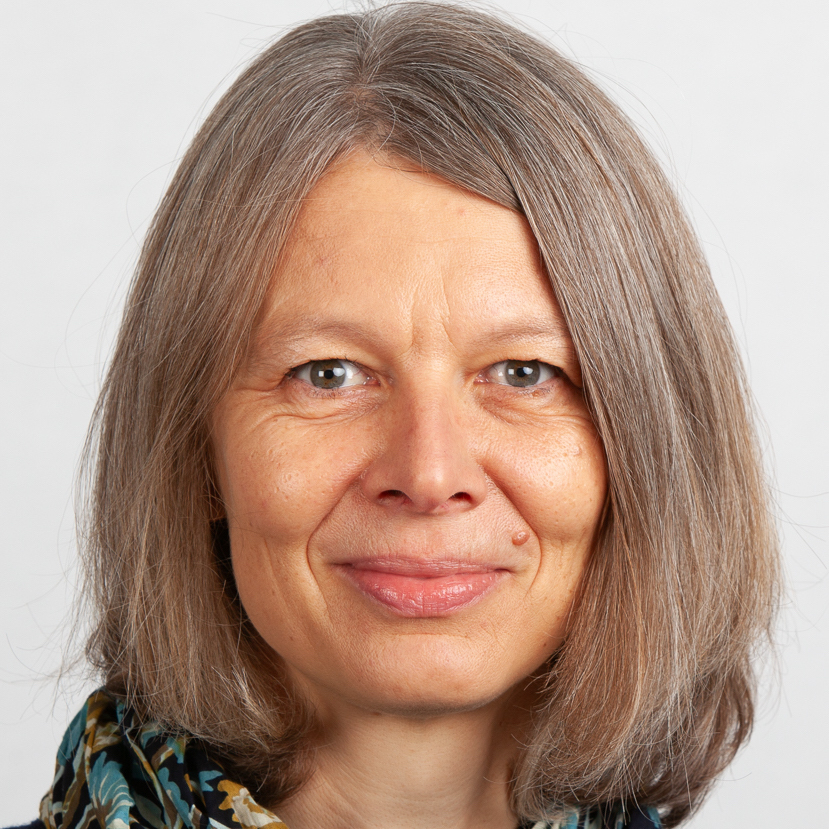
Sabine Hoffmann
Department of Environmtal Social Sciences, Swiss Federal Institute of Aquatic Science and Technology (Eawag), Switzerland
Sabine Hoffmann is Group Leader of Inter- and Transdisciplinary Research at Eawag and Lecturer at ETH Zurich (Switzerland). Her research focuses on integration and integrative leadership in large inter- and transdisciplinary research programs in both theory and practice. For her work on leading and concurrently studying synthesis processes within the Swiss National Research Program (NRP 61), she was awarded with the Swiss Academies Award for Transdisciplinary Research. She previously co-led the ITD Alliance Working Group on Integration Experts and Expertise. She currently serves on the Scientific Advisory Board of the Network for Transdisciplinarity (td-net, Switzerland), the Scientific Advisory Board of the Journal GAIA Ecological Perspectives for Science and Society (Germany), and the Editorial Board of the Journal Interdisciplinary Science Reviews (UK). Prior to her PhD,she worked as a development consultant for the Swiss Agency for Development and Cooperation (SDC), the German Agency for International Cooperation (GIZ) and the International Secretariat for Water (ISW) in Bolivia, Central and Eastern Europe.

Paul Hirsch
Department of Environmental Studies, State University of New York College of Environmental Science and Forestry (SUNY ESF), USA
Paul Hirsch is a scholar, educator, and advisor specializing in leadership and decision-making within complex situations where scientific evidence is uncertain and values are ambiguous or contested. In collaboration with colleagues spanning five continents and diverse academic disciplines, he developed an integrative framework for navigating complex trade-offs. This body of work has been widely cited and applied to issues ranging from COVID-19 mask-wearing policies to pesticide management in the Galápagos Islands. Paul’s recent publications examine the cultivation of “system-level trust,” and the practice of leading across organizational boundaries when formal authority is absent. As an interdisciplinary scholar, his research appears in journals focusing on public policy, environmental science, philosophy, and psychology. At SUNY ESF, Paul directs both the Graduate Program in Environmental Studies and the Online Program in Environmental Leadership for working professionals and community leaders. He previously served on the Board of the Association for Interdisciplinary Studies and currently serves as an Editorial Advisor for the Journal of Interdisciplinary Studies.
Panel
The afternoon panel on Day 2 will discuss TD skills and roles, including voices from communities that practice TD under different names or frameworks. Information on additional panelists coming soon.

Institute of Biology, Federal University of Bahia, Brazil
Biography
Charbel N. El-Hani PhD is full professor in the Institute of Biology, Federal University of Bahia, Brazil. He is coordinator of the History, Philosophy, and Biology Teaching Lab and has coordinated the National Institute of Science and Technology in Interdisciplinary and Transdisciplinary Studies in Ecology and Evolution from 2016 to 2025. He works in the areas of science education research, philosophy of biology, ecology and conservation, and ethnobiology.

Centre for Postgraduates Studies, Cape Peninsula University of Technology, South Africa
Biography
Prof Izak van Zyl is Director of the Centre for Postgraduate Studies at the Cape Peninsula University of Technology (CPUT), South Africa, and an Associate Professor in Transdisciplinary Studies. He is an NRF C2-rated scholar with more than fifteen years’ experience in information systems, digital communication, and qualitative social research, and has published over 60 peer-reviewed outputs across these areas. His research spans research philosophy and ethics, ICT4D, information systems pedagogy, and community-based and participatory design, with strong engagement in African and Global South contexts. He has contributed extensively to scholarship on transdisciplinary research and is Editor-in-Chief of the Journal for Transdisciplinary Research in Southern Africa. In his institutional role, Prof van Zyl is responsible for postgraduate governance, supervision frameworks, research ethics processes, and academic quality assurance at master’s, doctoral and postdoctoral level. His work focuses on the practical conditions that enable ethical and collaborative research across disciplinary and institutional boundaries, including supervision practices and research capacity development.
How are we preparing the next generation?
Plenary sessions on Thursday, 3 June will examine education and training in inter- and transdisciplinarity and the evolving role of universities in a society urgently needing transformative change.
Keynote speakers
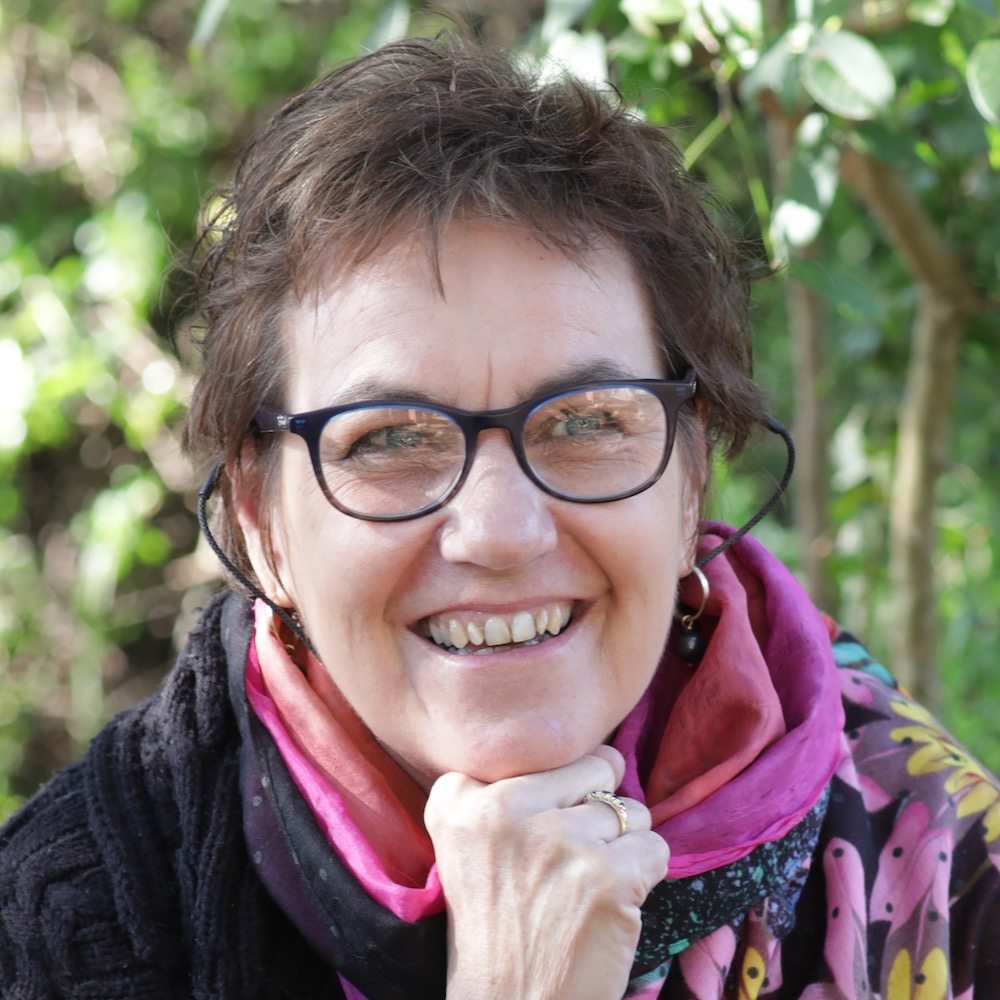
Heila Lotz-Sisitka
Environmental Learning Research Centre, Rhodes University, South Africa
Heila Lotz-Sisitka is a Distinguished Professor at Rhodes University, and Department of Science and Innovation South African Research Chair focusing on Global Change and Social Learning Systems. With over 30 years’ experience working within the learning sciences at the interface of the environmental and social sciences, she has worked with communities, civil society, public and private sector stakeholders and national and international government partners to advance transformative learning and skills development for just transitions nationally and internationally.
Trained as an educator, her work crosses social and natural science boundaries, and pioneers new approaches to Transformative Learning and Sustainability in multi-actor groups and transdisciplinary programmes. Notable programmes worked on include the International Science Council’s Transformations to Sustainability Programme, UNEP’s Mainstreaming Environment and Sustainability in African Universities, UNESCO’s Decade on Education for Sustainable Development and most recently UNICEF’s Green Learn to Earn pathways programme for youth.
She has authored over 250 publications, delivered professional development training world-wide, and has offered over 110 keynotes in 35 countries around the world. Her most recent book is a 2026 co-edited book on Transforming Education for Sustainable Futures (Bristol University Press). She is a Member of the Academy of Science South Africa and is a 2026 recipient of an Honorary Doctorate from Umeå University in Sweden for her work on transformative learning.
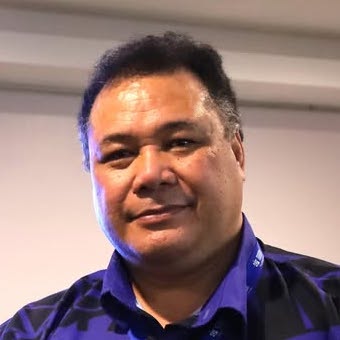
Upolu Luma Vaai
Manu Folau (Vice-Chancellor), Pasifika Communities University, Fiji
Professor Upolu Lumā Vaai is the Inaugural Vice Chancellor and President of the Pasifika Communities University in Fiji, Professor of Theology & Ethics, a practiced indigenous philosopher and decolonial educator and theologian. An internationally leading voice in reclaiming ‘whole of life’ philosophies to underpin a (k)new development consciousness. His work is genuinely transdisciplinary, drawing on theology, philosophy, international relations, gender studies, and climate science, unified by a coherent philosophical vision rooted in Pacific relational thought.
Central to Vaai’s professional standing is his development of the Pasifika ‘Whole of Life’ philosophy now adopted by many educational and policy institutions in the Pacific region, a decolonial framework that integrates relationality, spirituality, ecology, ethics, education, and development. This philosophy currently informs university curricula, regional leadership programs, and international development frameworks, and has been taken up by organisations including the Pacific Islands Forum Secretariat in its new Pacific Centred Leadership Initiative, United Nations Development Program’s Whole of Life Development Intelligence Initiative including its Futures programs, the Pasifika Household Regional Framework for the Pacific Conference of Churches, the International Labour Organisation, Department of Foreign Affairs Australia, and the Asian Development Bank.
He is founder of the Regional Institute for Leadership Development (RILED), Institute for Climate Indigenous Knowledge (ICIK), and Mission and Interfaith Centre (MAIC). He recently published Climate Change in Pacific Relational Perspectives (2026), and The ‘Whole of Life’ Way (2025).
For questions regarding the ITD27 Conference, please contact Patrícia Bacalhau of the organising team at itd27@uevora.pt.